Table of contents
Adventure travel is being rewritten in real time, and not just on social media. After years of “more, faster, higher,” travellers are quietly shifting toward meaning, recovery, and connection, a pivot backed by hard numbers: wellness tourism is projected to keep expanding through 2028, while solo trips and nature-based escapes continue to rise across major booking platforms. The new question is not how many activities fit a day, but which ones will still matter when the plane lands back home.
Adrenaline still sells, but it has changed
Chasing a rush has not disappeared, it has matured. The global adventure tourism market was valued at about USD 351.9 billion in 2022 and is forecast to grow at roughly 15.2% CAGR through 2030, according to Grand View Research, a sign that hiking, rafting, climbing, canyoning, and multi-day treks remain central to how people choose destinations. Yet the way travellers talk about adrenaline has shifted, and operators across Europe and beyond report growing demand for experiences that feel “earned” rather than simply consumed: longer hikes instead of a quick viewpoint, technical instruction instead of a one-off thrill, and fewer activities per day with more time for recovery.
Part of the change is practical. Inflation has made some travellers more selective, and the cost of equipment, guiding, and transport means people want quality and safety signals, not just excitement. At the same time, the post-pandemic travel rebound has made peak-season crowding harder to ignore, and high-impact, high-volume attractions have lost some of their shine. The thrill is still the hook, but it increasingly comes packaged with context: local geology, wildlife etiquette, and land-use rules, all of which reduce risk and, crucially, elevate the story travellers take home.
Data suggests that travel “success” is no longer measured by the number of stamps on an itinerary. In its 2024 Travel Trends report, Skyscanner highlighted a move toward calmer, more considered trips, while other major travel analyses have tracked the rise of shoulder-season travel and quieter destinations. The adrenaline market is strong, but today’s activity planning looks more like a curated setlist than an endless playlist, and that is where the redefinition begins: travellers still want intensity, they just want it to mean something.
Wellness is no longer the quiet category
For years, wellness travel was treated as a niche reserved for spas and retreats. That era is over. The Global Wellness Institute estimates that wellness tourism reached USD 830.2 billion in 2023, and projects it to hit about USD 1.35 trillion by 2028, outpacing overall tourism growth. This is not only about massages and mineral pools, it is about sleep quality, stress reduction, and mental reset, needs that have moved from “nice to have” to “non-negotiable” for a growing slice of travellers.
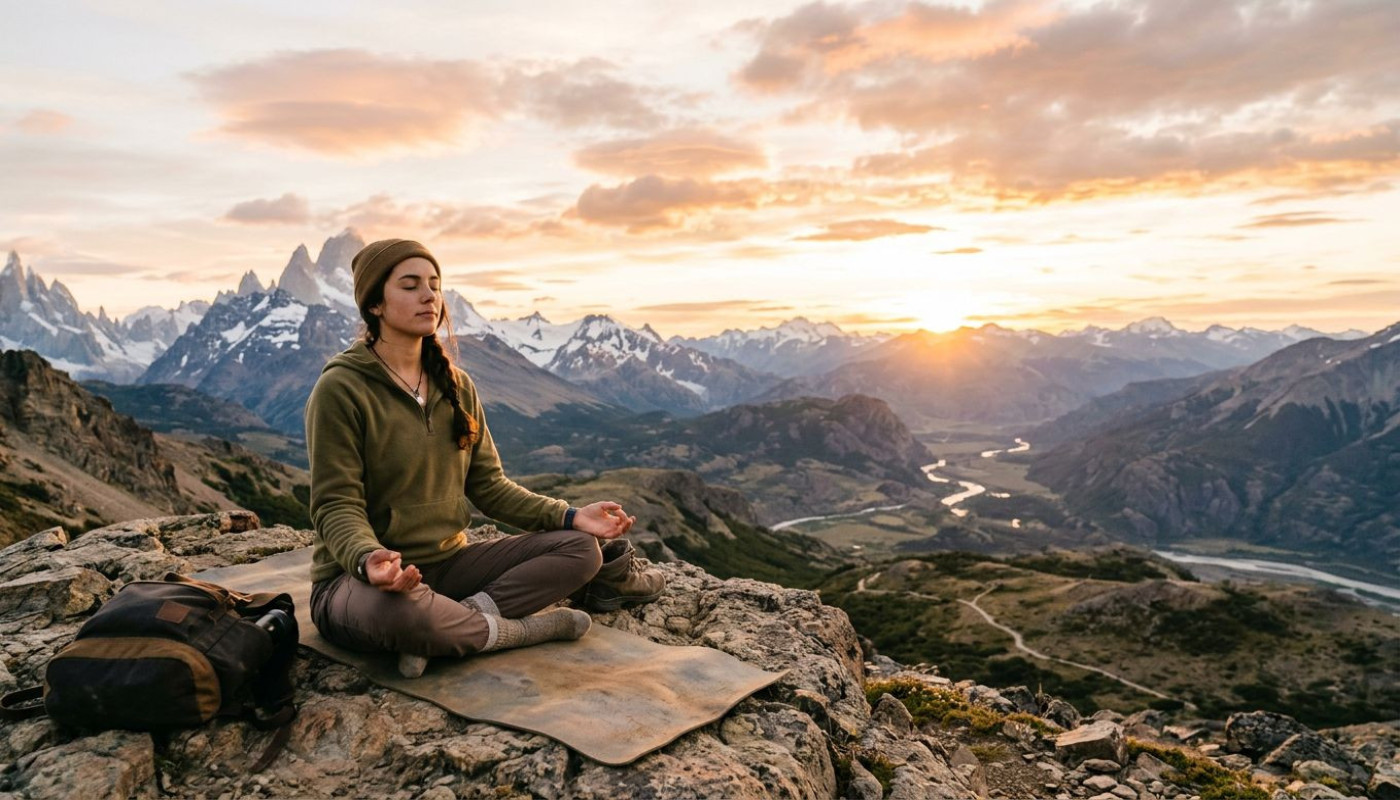
The practical expression of that shift shows up in activity choices. Travellers increasingly build mornings around low-stimulation routines, think coastal walks, forest bathing-style hikes, yoga, and slow breakfasts, then add one high-energy block later, if at all. Even classic “active” holidays are being redesigned: cycling routes with shorter daily distances, trekking itineraries with extra rest stops, and hotel selections that prioritise quiet, blackout blinds, and access to nature. A growing body of research links time in green spaces to improved mood and lower stress markers, and while the science is still evolving, the behavioural trend is clear: people want activities that leave them better than they arrived.
Importantly, wellness travel is also becoming less performative. The new status symbol is not proving you survived the itinerary, it is proving you protected your energy, and travellers who once returned home needing a second holiday now plan for recovery inside the trip. That is one reason “hybrid” experiences are booming: a day hike followed by a thermal bath, a kayaking session capped with a long, local meal, or a climb paired with mindful breathing exercises. The old split between thrill-seeking and soul-searching is fading, and wellness has become the glue holding the new travel logic together.
Authenticity is tested on the ground
Everyone says they want “authentic” experiences, but travellers have become more demanding about what that means. A cooking class in a capital city can be excellent, yet more people now seek activities rooted in daily life, landscapes, and local memory, and they are quicker to detect when something is staged. Industry surveys consistently show a rise in interest for culture-led and nature-led trips, and the broader movement toward “experiential” travel has been accelerated by the fact that people can buy products anywhere, whereas they can only live a moment once.
That has consequences for activity design. Visitors increasingly want to understand where they are, not just what they are doing. A hike becomes more compelling when it explains why the terrain looks the way it does, how communities historically moved through it, and what environmental pressures it faces today. A boat trip feels different when it includes conversation about fishing traditions, protected areas, and the reality of seasonal work. The best experiences do not lecture, they weave context into action, and that is what keeps a day from turning into a forgettable checklist.
There is also a trust dimension. Travellers want clearer proof that their money supports local livelihoods, and they are paying more attention to group size, guiding qualifications, and the footprint of transport. In practice, this means higher demand for small-group formats, local guides with deep knowledge, and itineraries that avoid “Instagram bottlenecks” at the exact same hour as everyone else. For those researching on-the-ground options, www.montenegro-spirit.com is one of the starting points travellers use to compare experiences and plan activities with a stronger local focus, especially when they want more than generic tours and prefer to build a trip around landscapes, culture, and pacing.
The new itinerary: fewer boxes, deeper days
The most telling change in travel is how people structure time. Instead of squeezing in five stops, travellers increasingly anchor the day around one primary activity, and then leave space for the “between” moments: an unplanned café, a swim that runs long, a conversation with a guide, or a sunset that deserves silence. This is not laziness, it is a deliberate reaction to digital life, where every minute competes for attention, and it is supported by the broader trend toward slow travel, longer stays, and repeat visits to the same region rather than constant hopping.
Several forces are pushing the same direction. Remote work and flexible schedules allow some travellers to extend trips, which reduces the pressure to see everything immediately. Climate concerns and aviation guilt also make people more willing to extract more value from fewer journeys, choosing depth over breadth. Meanwhile, overtourism has become a mainstream topic, and destinations from Barcelona to Venice have introduced restrictions and visitor-management policies, reminding travellers that access is not limitless. In that environment, the smartest activity planning is not maximalism, it is balance: peak experiences paired with low-impact days, and iconic sights paired with lesser-known alternatives.
On the ground, “deeper days” look like this: a challenging morning hike followed by a long lunch in a small town, then a low-key evening walk; a single cultural site visited with a knowledgeable guide rather than five rushed entries; a water-based activity scheduled at a calmer hour to avoid crowds and reduce stress. The redefined travel activity is not an event, it is a narrative, and the best itineraries are written with rhythm, not speed. Thrill-seeking still belongs in the story, but soul-searching now edits the final draft.
Planning notes before you book
Reserve early for peak summer and school holidays, and budget for guides, transfers, and entrance fees, which often add 20% to activity costs. Ask about group size, cancellation rules, and safety standards, and confirm what equipment is included. Check whether local or national tourism schemes offer discounts, youth rates, or off-season incentives, and keep one free half-day to protect the trip’s pacing.
Similar articles
Why Minimalist Packing Revolutionizes Your Adventure Experiences
Lost, Found, And Inspired: How Unplanned Detours Shaped My Perfect Itinerary
Are Your Itineraries Limiting Your Adventure Potential?

How To Choose The Perfect Luxury Stay For International Events?
Unveiling The Thrills: Top Adventure Activities For Thrill-Seekers

How To Choose The Best ESIM For Your Caribbean Travels?
Exploring The Benefits Of Chartering A Sailboat Without A Skipper

Exploring Hidden Culinary Gems: Discovering Local Foods While Traveling
