Table of contents
Discover the hidden gems and vibrant spirit of Paris’s 13th district, an area often overlooked by traditional tourist routes. From its dynamic street art to authentic local markets and a fascinating blend of cultures, this neighborhood offers a unique experience beyond the classic Parisian postcard. Explore the following sections to unlock the district’s most captivating sights, flavors, and stories waiting to be experienced.
Street art and urban creativity
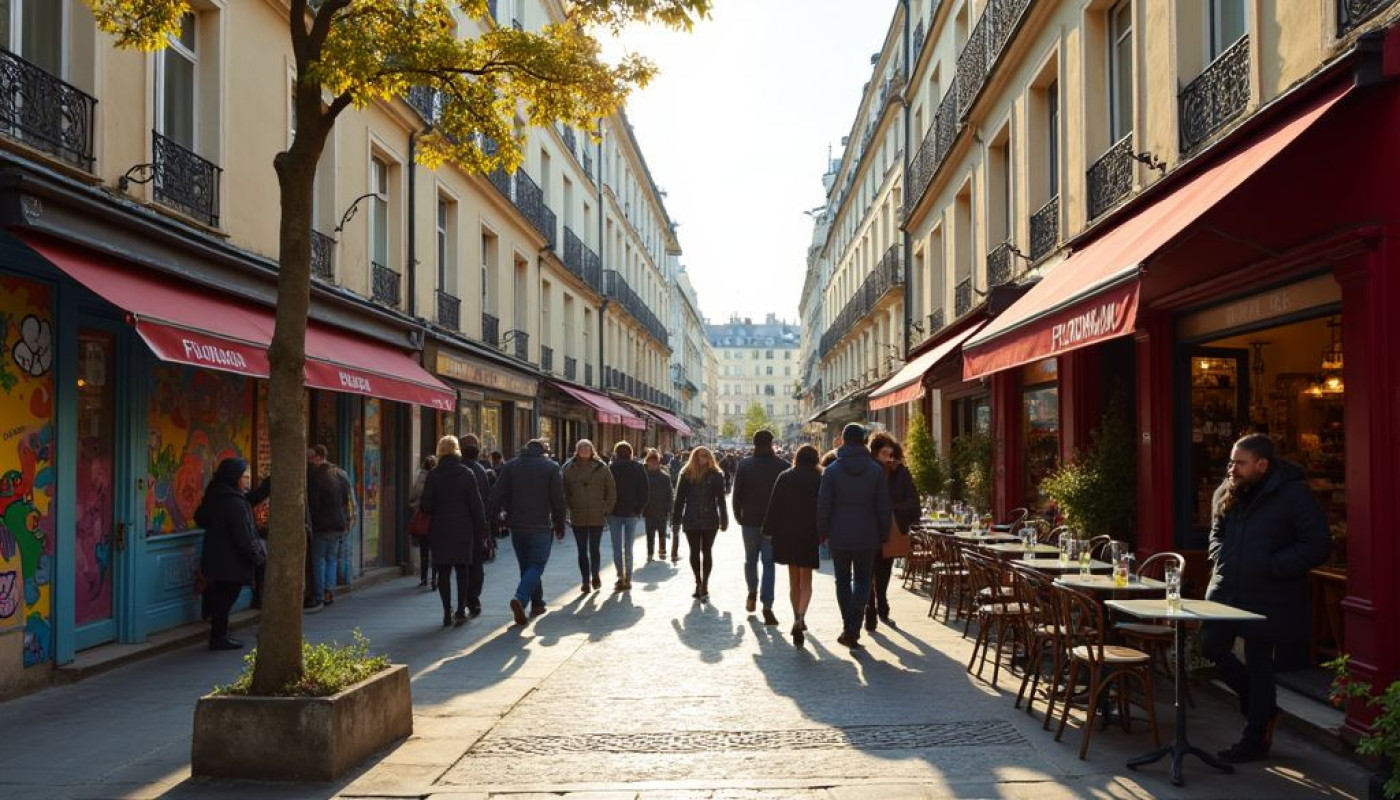
The Paris 13th district stands out as a dynamic hub for street art and urban creativity, offering visitors a unique open-air gallery experience. Towering murals, some spanning entire building façades, are a signature of the area, transforming once-ordinary streets into vibrant showcases of muralism. Renowned international and local artists, including Obey (Shepard Fairey), Invader, and C215, have left their mark on the neighborhood, making it a living canvas that constantly evolves. These striking murals not only beautify public spaces but also reflect social themes, political messages, and the diverse cultural influences that define the district. The sheer scale and technical skill behind each piece invite onlookers to pause and appreciate the artistry embedded in everyday urban life.
This proliferation of street art has played a defining role in shaping the local identity of the Paris 13th district. Creative spaces, such as the Galerie Itinerrance, actively promote urban creativity, organizing events and artist residencies that foster a vibrant exchange between creators and the community. The integration of large-scale urban artworks turns the district into a magnet for both visitors seeking visual inspiration and emerging artists eager to contribute to its evolving landscape. The result is a neighborhood where artistic expression is an essential part of daily life, celebrating diversity and innovation while establishing the Paris 13th district as a leading destination for those passionate about contemporary urban art.
Chinatown and culinary discoveries
Chinatown Paris in the 13th district stands as a vibrant multicultural neighborhood that pulses with life, color, and irresistible flavors. The gastronomic landscape here is shaped by a thriving Asian community, offering a dazzling array of Asian cuisine, especially from Vietnam, China, Laos, and Cambodia. Its food markets, such as Tang Frères and Paristore, are sensory adventures where the scent of fresh herbs mingles with the vibrant hues of exotic fruits, spices, and delicacies. Exploring Avenue de Choisy and Avenue d'Ivry, visitors encounter a feast for the senses: steaming bowls of pho, crispy banh mi, delicate dim sum, and fragrant Cantonese roast meats served in bustling restaurants or laid-back family-run cafés. Each establishment reflects generations of culinary heritage, making the area a key destination for aficionados of Paris gastronomy.
This dynamic enclave is also celebrated for its annual cultural events like the Lunar New Year parade, which fills the streets with dragon dances, music, and traditional performances, further enhancing the neighborhood’s unique appeal. For those eager to immerse themselves in the local culture and explore the 13th’s culinary scene, understanding where to stay in Paris can greatly enrich the experience, placing visitors within walking distance of authentic eateries and lively food markets. A stroll through this gastronomic district provides not just a taste of Asia, but a deeper appreciation of how international cultures have shaped one of the city’s most diverse quarters.
Modern architecture and urban renewal
The 13th district of Paris stands as a vivid showcase of modern architecture and urban renewal, with its skyline defined by bold high-rises and a commitment to eco-friendly buildings. Over recent decades, urban regeneration has transformed former industrial zones into dynamic neighborhoods, blending innovative residential towers with creative office spaces. This Paris development is evident in areas like the Masséna district, where glass and steel structures contrast with traditional Haussmannian facades, symbolizing a shift in city planning priorities. Public spaces have been revitalized to encourage community interaction, featuring landscaped parks and pedestrian-friendly walkways that foster both social and environmental well-being within the urban fabric.
These changes in the 13th district do more than enhance aesthetics; they reflect a broader commitment to sustainable urban living and contemporary lifestyles. Urban regeneration initiatives prioritize energy efficiency, with green roofs and solar panels becoming common features of new constructions. Eco-friendly buildings reduce the area's carbon footprint while providing comfortable, modern homes and workplaces. Public spaces are designed not only for leisure but also for cultural engagement, hosting events and public art installations that enliven daily life. The result is a vibrant, accessible environment that exemplifies the evolution of Parisian city planning and serves as a model for future urban renewal projects across the city.
Cultural institutions and local events
Paris’s 13th district boasts a vibrant landscape shaped by its diverse cultural institutions and dynamic local events. The neighborhood is home to celebrated Paris museums such as the Institut national d’histoire de l’art and the Musée d’Art Contemporain du 13e, which anchor the area’s reputation for innovative exhibitions and engaging cultural programming. An extensive network of libraries and independent theaters further enriches Paris culture, offering a platform for literary gatherings, experimental performances, and creative workshops that appeal to both residents and visitors seeking authentic experiences. Throughout the year, neighborhood festivals like the Festival de la Porte d’Ivry and the beloved Fête de la Musique unite the community, transforming public spaces into lively hubs of artistic expression, music, and gastronomy.
These cultural institutions not only preserve the heritage of the 13th district but also foster ongoing dialogue between tradition and modernity. Through specialized cultural programming, they ensure a steady stream of exhibitions, talks, and screenings that reflect the multifaceted identity of the district. Local events serve as gateways for discovering the hidden narratives and creative talents that define the arrondissement, positioning it as a vital contributor to the broader mosaic of Paris culture. Visitors are invited to immerse themselves in the unique rhythms of the neighborhood, discovering the pulse of contemporary Paris through its museums, live performances, and neighborhood festivals.
Hidden green spaces and riverbanks
Amidst the vibrant atmosphere of the 13th district, hidden green spaces and urban parks provide rare opportunities to experience urban nature at its finest. Tucked between residential blocks and modern landmarks, these Paris parks and secret gardens serve as vital pockets of urban biodiversity, attracting both seasoned botanists and casual wanderers. The Jardin des Grands-Moulins and the Parc de Choisy offer peaceful lawns, shaded pathways, and thriving plant life that balance the district’s dynamic pace. These green spaces are carefully designed to support relaxation, picnics, and a variety of outdoor activities Paris locals cherish, such as tai chi sessions, jogging, and leisurely walks.
Beyond the gardens, the riverbanks of the Seine invite visitors to escape the city buzz without ever leaving the district. Scenic walks along these riverbanks showcase a harmonious blend of nature and contemporary urban design, with thoughtfully landscaped promenades, benches, and cycle paths. The integration of greenery into these public spaces not only enhances visual appeal but also supports urban biodiversity by providing habitats for birds and insects. These peaceful retreats allow residents and visitors to reconnect with nature, unwind after a busy day, or enjoy outdoor activities Paris is known for, all within easy reach of local cafes and cultural hotspots.
Similar articles
When Destinations Tell Their Own Stories—how Travelers Listen

Business tourism: understanding why to join the wave

Tourist guide: the requirements of this profession

How To Choose The Best ESIM For Your Caribbean Travels?
